October 9, 2018 at 2:46 pm
Published by Stanford Blood Center
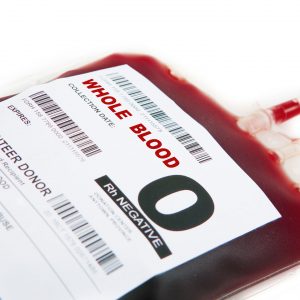
Your Rh status (positive or negative) is determined by an antigen found on your red blood cells (RBCs). Being Rh-positive or Rh-negative means that either you have the Rhesus D antigen on your RBCs (positive) or you don’t (negative). Rh...

September 5, 2013 at 2:41 pm
Published by Stanford Blood Center
Please note, there may be more current information available related to iron and blood donation. Visit our Iron and Blood Donation page for more. Eating a healthy diet is important for anyone, especially blood donors. But we want to make sure...
July 28, 2011 at 11:01 am
Published by Stanford Blood Center
By Julie Ruel, Social Media Manager, Stanford Blood Center
At Stanford Blood Center we collect several different types of blood products from our volunteer donors. All products have different functions pre- and post-donation. In other words, before and after they leave your body, they each serve different purposes. For the scope of this article, I'll focus on red blood cells (RBCs) collected during a whole blood donation and platelets collected during an ABC donation. These are the two most common products we draw, accounting for about 99% of our total donations in a year.